Beta-Glucanase for Animal Feed — Barley and Oat Diets
Degrade anti-nutritional beta-glucans in barley and oat-based poultry and swine diets to reduce gut viscosity, improve nutrient absorption, and lower feed conversion ratio.
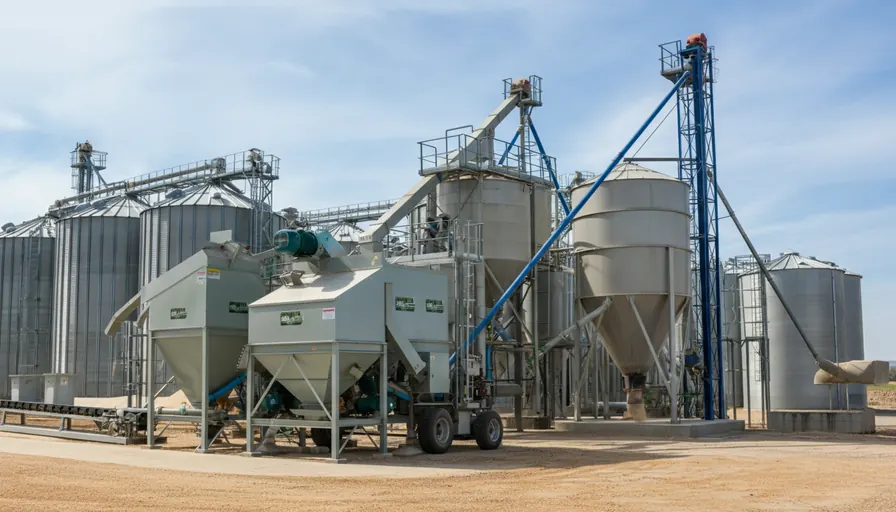
Barley and oats are cost-effective cereal grains for livestock feed formulation, but their high beta-glucan content creates a significant anti-nutritional challenge in monogastric nutrition. Barley contains 3–7% beta-glucan (dry weight), and oats 3–6%, compared to less than 0.1% in corn. In the digestive tract of poultry and swine, these high-molecular-weight mixed-linkage polysaccharides are not digested by the animal's endogenous enzymes, instead forming a viscous gel in the gut lumen. This elevated gut viscosity has multiple negative nutritional effects: it slows nutrient transit and absorption, reduces contact between digestive enzymes and feed substrates, traps nutrients in the viscous matrix, and creates a favorable environment for pathogenic bacteria that thrive in high-viscosity digesta. For poultry, the visible consequences are wet litter, enteric disease pressure, and variable body weight gain. For swine, high barley or oat inclusion increases gut fill and reduces feed intake efficiency. Beta-glucanase (EC 3.2.1.6 and EC 3.2.1.4) specifically hydrolyses the beta-1,3/1,4 mixed-linkage glucan chains and beta-1,4 glucan linkages in barley and oat beta-glucan, depolymerising the viscous fraction into short-chain oligomers that are osmotically neutral and non-viscous. This viscosity reduction in the gut has been consistently demonstrated in poultry trials to improve apparent ileal digestibility of starch and amino acids, reduce wet litter score, and improve feed conversion ratio by 3–8 points when comparing barley-based diets with and without beta-glucanase supplementation. Effective dosage in poultry diets is typically 50–200 g per tonne of finished feed, adjusted for barley or oat inclusion rate, animal species, and target FCR. Swine diets may require 50–150 g/tonne depending on gut pH and intestinal transit rate. Our beta-glucanase is produced from Trichoderma reesei and Aspergillus niger, active at pH 4.0–6.0 and 40–60°C, and supplied at 10,000–50,000 U/g with ISO 9001, HALAL, KOSHER, and Food Grade certification.
Broiler Barley Diets — Wet Litter Prevention
In broiler production, barley at 20–40% diet inclusion significantly raises digesta viscosity and produces wet litter that creates ammonia and Coccidiosis pressure. Beta-glucanase at 100–200 g/tonne in the finisher diet reduces jejunal viscosity by 40–60%, improves starch and amino acid digestibility, and reduces litter moisture. Trials in Europe and Canada consistently show 3–6 FCR point improvement and 5–10% better uniformity in barley-fed broiler flocks.
Layer Barley Diets — Egg Quality and Productivity
Laying hens on barley-heavy diets show reduced egg production, soiled eggs from wet droppings, and variable albumen quality. Beta-glucanase at 75–150 g/tonne reduces gut viscosity, normalising digestibility and egg production consistency. Egg production improvements of 2–5% and reduced floor eggs due to wet litter are commonly reported in commercial trials on high-barley layer diets supplemented with beta-glucanase.
Swine Grower-Finisher Barley and Oat Diets
Barley and oat inclusion in swine grower-finisher diets raises gut fill and reduces feed intake efficiency. Beta-glucanase at 50–100 g/tonne reduces digesta viscosity, improving apparent faecal digestibility of energy and amino acids. Energy utilisation improvements equivalent to 50–80 kcal/kg diet have been reported in swine meta-analyses comparing beta-glucanase supplemented versus unsupplemented barley-based diets.
Oat-Based Specialty Feed Formulations
Oat inclusion in horse, rabbit, and specialty livestock diets provides soluble fibre benefits but can raise gut viscosity in monogastric or young animals with immature digestive systems. Beta-glucanase at 50–100 g/tonne in oat-containing specialty feeds reduces beta-glucan viscosity, improving nutrient accessibility while preserving the dietary fibre content of the diet. Particularly relevant in young swine starter diets where gut development limits beta-glucan tolerance.
| Parameter | Value |
| Activity range | 10,000 – 50,000 U/g |
| Optimal pH | 4.0 – 6.0 |
| Optimal temperature | 40°C – 60°C |
| Form | Light brown to tan powder |
| Shelf life | 12 months (sealed, cool, dry place) |
| Packaging | 25 kg drums / custom packaging |
Frequently Asked Questions
Why is beta-glucanase necessary in barley and oat animal feed?
Barley and oats contain 3–7% beta-glucan, a polysaccharide that monogastric animals (poultry, swine) cannot digest. In the gut, beta-glucan forms a viscous gel that slows nutrient absorption, reduces feed conversion efficiency, promotes wet litter in poultry, and creates conditions favorable for pathogenic bacteria. Beta-glucanase hydrolyses these glucan chains into non-viscous short-chain fragments, restoring normal gut function and improving energy and amino acid digestibility.
What is the typical beta-glucanase dosage for poultry diets?
Standard dosage is 50–200 g per tonne of finished feed for poultry, with the higher end used when barley or oat inclusion exceeds 25% of the diet. For broilers, 100–200 g/tonne in wheat-barley combination diets is most common. Layer diets are typically at 75–150 g/tonne. Swine diets use 50–100 g/tonne. Dosage should be confirmed through diet-specific trials measuring gut viscosity reduction and FCR improvement.
Is beta-glucanase stable through feed pelleting?
Standard beta-glucanase retains reasonable activity at conditioning temperatures up to 70–75°C for short durations. For feed mills conditioning at higher temperatures (80–85°C), thermostabilised or coated enzyme grades are available with retained activity above 80% post-pellet. Always verify residual post-pellet activity by assay on representative pellet samples before full-scale production, particularly when changing conditioning parameters.
Should beta-glucanase be combined with xylanase in barley diets?
Yes, many nutritionists use a combined beta-glucanase and xylanase (hemicellulase) enzyme package in cereal-based diets because barley contains both beta-glucan and arabinoxylan, both of which contribute to gut viscosity. Combined enzyme packages address the full NSP spectrum of barley more completely than either enzyme alone, and several commercial studies show additive FCR improvements from combined versus single-enzyme supplementation in wheat-barley based poultry diets.
Request Beta-Glucanase for Feed Formulation
Bulk and wholesale inquiries from breweries, feed mills, food manufacturers, distributors and resellers. Tell us three things: the product or activity grade (or your application and substrate), the quantity per order or per month, and the destination country. We suggest the activity grade, dispatch a free 100 g sample with documentation, and quote bulk pricing within 24 hours.
Get Quote