Beta-Glucanase for Rye Bread Baking and Dough Processing
Reduce rye dough viscosity for better gas retention, crumb structure, and machinability by hydrolysing rye beta-glucan in commercial bread production.
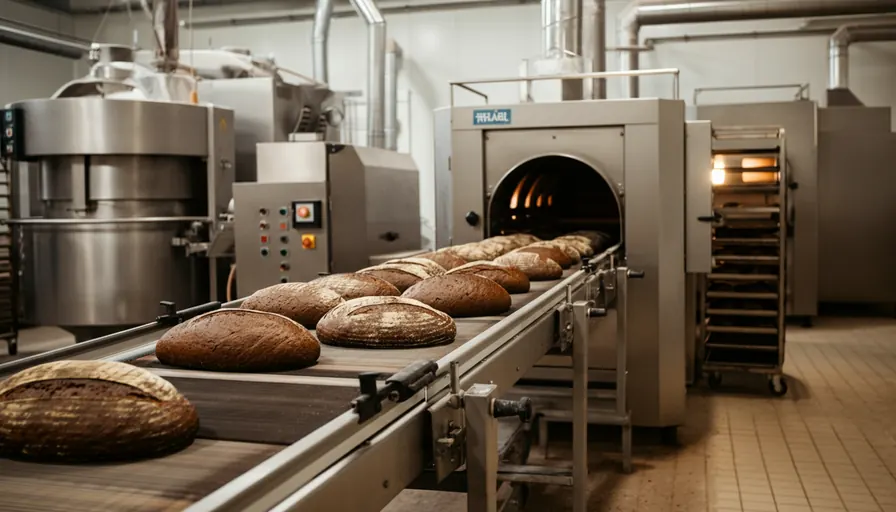
Rye flour presents unique challenges in commercial baking that make it fundamentally different from wheat-based dough systems. Unlike wheat, rye lacks the coherent viscoelastic gluten network that provides gas retention and structural support during baking. Rye dough relies instead on a complex polysaccharide matrix — primarily arabinoxylan (pentosan), beta-glucan, and starch — to provide viscosity and structure. Of these components, beta-glucan in rye contributes significantly to dough viscosity at moderate concentrations (0.5–1.5% in rye flour), and while some viscosity is desirable for structure, excessive beta-glucan leads to dough that is too sticky, difficult to machine on dividers and moulders, and prone to collapsing during proofing due to poor gas retention. The challenge for industrial rye bread producers is particularly acute in Scandinavian-style dense rye breads (rugbrød, Vollkornbrot), pumpernickel, and mixed wheat-rye formulations where rye flour inclusion may be 30–100% of the flour blend. In 100% rye doughs, dough viscosity can be so high that it prevents adequate mixing and causes divider blockages. Beta-glucanase (EC 3.2.1.6) applied during rye dough processing cleaves the beta-glucan chains, reducing their contribution to dough viscosity and improving the dough's rheological properties. Controlled reduction of beta-glucan viscosity improves dough machinability, reduces stickiness, and allows better gas retention during proofing — since a dough with more controlled viscosity can hold CO2 bubbles more effectively than an over-viscous matrix that collapses under its own weight. The net result is better loaf volume, improved crumb uniformity, and reduced machinability losses on industrial lines. Dosage in rye bread is typically 20–80 g per tonne of rye flour, with pure rye bread requiring the upper end. Mixed wheat-rye (30–50% rye) formulations typically use 20–40 g/tonne. Working pH in rye sourdough is 3.8–5.0 with temperature during mixing and fermentation at 25–35°C — within the effective range of our beta-glucanase. Our product from Trichoderma reesei is supplied at 10,000–50,000 U/g, HALAL and KOSHER certified, with Food Grade documentation for bakery ingredient procurement.
100% Rye Bread and Dense Rye Loaves
Pure rye doughs (Vollkornbrot, Danish rugbrød) have extremely high viscosity from the combined arabinoxylan and beta-glucan matrix. Beta-glucanase at 50–80 g/tonne of rye flour reduces the beta-glucan contribution to viscosity, making the dough more workable at high rye content. Combined with xylanase for arabinoxylan management, beta-glucanase helps maintain cohesion in dense rye bread while reducing stickiness on industrial dividers.
Mixed Wheat-Rye Bread Formulations
Mixed wheat-rye breads (30–60% rye) are a major commercial category in Germany, Scandinavia, and Eastern Europe. At these inclusion levels, rye beta-glucan raises overall dough viscosity above the optimal range for wheat-dominant dough. Beta-glucanase at 20–40 g/tonne of rye fraction normalises dough behaviour, improving machinability on sheeting lines and proofing consistency across batches.
Sourdough Rye Processing
Rye sourdough fermentation at pH 3.8–4.5 is compatible with beta-glucanase activity. Enzyme added to the sourdough during the warm stage (28–35°C) begins hydrolysing beta-glucan during the fermentation period, so by the time the dough enters the mixer, viscosity is already reduced. This sequential application avoids the need for additional mixing time and improves consistency between batches with variable rye flour beta-glucan content.
Rye Crispbread and Cracker Production
Rye crispbread production requires a thin, well-sheeted dough that must not be excessively sticky or prone to tearing. Beta-glucanase at 30–60 g/tonne reduces dough tackiness, improving sheeting uniformity and reducing scrap from tearing on thin rye crackers. Lower beta-glucan viscosity also allows a higher rye inclusion rate at the same sheeting line speed, supporting clean-label formulations with higher whole rye content.
| Parameter | Value |
| Activity range | 10,000 – 50,000 U/g |
| Optimal pH | 3.8 – 5.5 |
| Optimal temperature | 25°C – 55°C |
| Form | Light brown to tan powder |
| Shelf life | 12 months (sealed, cool, dry place) |
| Packaging | 25 kg drums / custom packaging |
Frequently Asked Questions
Why is beta-glucanase used in rye bread baking?
Rye contains significant beta-glucan content that, combined with arabinoxylan, makes rye dough viscous, sticky, and difficult to machine on industrial lines. Beta-glucanase reduces the contribution of beta-glucan to this viscosity, making the dough more workable. Controlled viscosity reduction improves gas retention during proofing — since an over-viscous dough collapses CO2 bubbles — and allows better crumb development. The result is more consistent loaf volume, improved crumb structure, and reduced machinability losses in commercial production.
How does beta-glucanase interact with xylanase (hemicellulase) in rye dough?
Both beta-glucan and arabinoxylan (pentosan) contribute to rye dough viscosity. Beta-glucanase targets the glucan fraction, while xylanase addresses the arabinoxylan fraction. In practice, most bakery enzyme suppliers recommend combining both enzymes in rye improver blends for comprehensive viscosity management. Beta-glucanase alone is more appropriate when the rye flour is low in arabinoxylan (some wholemeal rye types), while combined use is standard for most commercial rye flour fractions.
What dosage of beta-glucanase is typical in rye bread production?
Dosage in pure rye bread is typically 50–80 g per tonne of rye flour, while mixed wheat-rye breads use 20–40 g/tonne of the rye fraction. The wide range reflects variation in rye flour beta-glucan content (which varies by variety, growing conditions, and milling fraction) and the desired level of viscosity reduction. Start at the lower end of the range and adjust based on dough rheology assessment (Farinograph, Bostwick consistometer for rye doughs) and line performance trials.
Is beta-glucanase active in sourdough rye fermentation conditions?
Yes. Our beta-glucanase maintains useful activity at pH 3.8–5.5, covering the typical sourdough fermentation range for rye breads (pH 3.8–4.5). It is active at the warm fermentation temperatures used in rye sourdough (28–35°C) and continues working during the mixer stage. Adding beta-glucanase to the sourdough starter or during the warm fermentation stage allows beta-glucan hydrolysis to occur progressively during fermentation, reducing the need for additional enzyme action during mixing.
Request Beta-Glucanase for Rye Bread Production
Bulk and wholesale inquiries from breweries, feed mills, food manufacturers, distributors and resellers. Tell us three things: the product or activity grade (or your application and substrate), the quantity per order or per month, and the destination country. We suggest the activity grade, dispatch a free 100 g sample with documentation, and quote bulk pricing within 24 hours.
Get Quote