Beta-Glucanase for Brewing Wort Viscosity and Lautering
Reduce barley beta-glucan viscosity for faster lautering and filtration in mashing — improve brewhouse throughput and beer clarity with targeted beta-glucan hydrolysis.
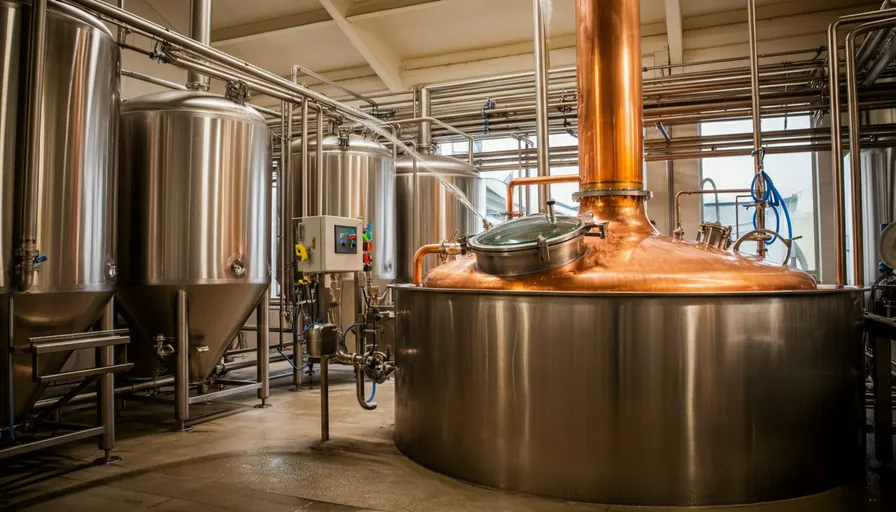
Beta-glucans are a class of mixed-linkage polysaccharides (beta-1,3 and beta-1,4 glycosidic bonds) found predominantly in the cell walls of barley and other cereals. In brewing, beta-glucans derived from barley malt and adjunct grains are among the most significant processing challenges in the mash tun and lauter tun. At concentrations above 200 mg/L in wort, beta-glucans raise wort viscosity substantially — from the typical target of 1.5–2.0 cP to 3.0 cP or above — which directly slows wort runoff from the lauter tun, reduces filtration throughput on filter presses, and creates sticky, problematic behavior in centrifuges. The resulting extended lauter cycle time reduces brewhouse capacity and increases energy cost per batch. Beta-glucanase (EC 3.2.1.6, endo-1,3(4)-beta-glucanase), produced from Trichoderma reesei or Aspergillus niger, specifically cleaves the mixed-linkage beta-glucan chains at internal beta-1,4 bonds adjacent to beta-1,3 bonds, depolymerising the long-chain glucans into shorter, low-viscosity fragments. This targeted action dramatically reduces wort viscosity and allows normal wort separation, lautering, and filtration to proceed without extended cycle times or filter blinding. Beta-glucanase is particularly valuable in three commercial brewing scenarios: high-adjunct grists where poorly modified unmalted barley or wheat raises beta-glucan load; undermodified malt where insufficient endogenous glucanase activity during malting leaves residual intact glucans; and high-gravity brewing where concentrated wort amplifies the viscosity effect of each unit of beta-glucan. Application is typically during the mash at 40–55°C and pH 4.0–5.5, with a dedicated beta-glucanase rest at 40–45°C for 15–30 minutes before raising temperature. For commercial breweries, optimal dosage ranges from 20–100 g per 100 kg of grist, adjusted to malt quality, adjunct percentage, and target wort viscosity. High-adjunct grists with 20–30% unmalted barley may require the upper end of this range. Our beta-glucanase is produced from Trichoderma reesei, active in the brewing mash pH and temperature range, and supplied at 10,000–50,000 U/g with COA, TDS, and Food Grade, HALAL, and KOSHER certification.
High-Adjunct Grist with Unmalted Barley
Craft and regional brewers increasingly use unmalted barley as a cost-effective adjunct, but unmalted barley contains 3–5x more intact beta-glucan than well-modified malt. Beta-glucanase at 50–100 g per 100 kg grist during the 40–45°C rest for 20–30 minutes degrades this elevated glucan load before saccharification, reducing wort viscosity to below 2.0 cP and restoring normal lauter performance even at 20–30% adjunct inclusion.
Undermodified Malt Correction
Undermodified malt retains cell wall glucans that normally degrade during germination. When malt quality is inconsistent or undermodified batches arrive, beta-glucanase supplementation at 30–60 g per 100 kg during the beta-glucanase rest corrects the deficiency without reformulation. This is a practical quality safeguard for breweries operating with variable malt supply from multiple sources or regions.
High-Gravity Brewing Wort Filtration
High-gravity brewing concentrates all dissolved solids — including beta-glucans — proportionally. At original gravity above 1.080, beta-glucan viscosity effects are amplified, making normal filtration difficult. Beta-glucanase at 40–80 g per 100 kg grist maintains wort viscosity within acceptable limits for high-gravity mashing, protecting filter throughput and reducing filtration cycle time in the transfer to fermentation.
Wheat Beer and Wheat Adjunct Processing
Wheat contains beta-glucan and pentosan fractions that both raise wort viscosity. In wheat beers (Hefeweizen, Witbier) with 40–70% wheat malt, beta-glucanase supplementation at 40–100 g per 100 kg grist at 40–45°C for 15–25 minutes reduces the combined glucan-pentosan viscosity effect, improving wort separation speed and protecting the yeast's fermenting environment from high-viscosity must.
| Parameter | Value |
| Activity range | 10,000 – 50,000 U/g |
| Optimal pH | 4.0 – 5.5 |
| Optimal temperature | 40°C – 55°C |
| Form | Light brown to tan powder |
| Shelf life | 12 months (sealed, cool, dry place) |
| Packaging | 25 kg drums / custom packaging |
Frequently Asked Questions
What causes high wort viscosity in brewing and how does beta-glucanase fix it?
High wort viscosity is primarily caused by beta-glucans — long-chain mixed-linkage polysaccharides from barley and wheat cell walls. Well-modified malt contains endogenous glucanase that degrades most of these during germination and mashing, but undermodified malt, adjunct grains, and high-adjunct grists retain elevated beta-glucan levels. Beta-glucanase cleaves these chains internally, rapidly reducing their molecular weight and viscosity contribution. At the right dose during the 40–45°C beta-glucanase rest, wort viscosity can be reduced from 3.0+ cP to below 1.8 cP.
At what temperature and pH should beta-glucanase be added in the mash?
Beta-glucanase is most active in the brewing pH range (4.0–5.5) and operates best at 40–55°C. The standard approach is to begin mashing at 40–45°C with a dedicated glucanase rest of 15–30 minutes before raising temperature to the proteolytic or saccharification rest. This allows maximum glucan hydrolysis before higher temperatures reduce enzyme activity. Well-modified malt mashes may not need a separate rest, while high-adjunct grists benefit from the full rest period.
How much beta-glucanase is needed per batch and how is dosage measured?
Typical dosage is 20–100 g per 100 kg of total grist, with the higher end used for unmalted adjunct grists or undermodified malt. Dosage is calculated on grist weight, not wort volume. The most useful quality control parameter is wort viscosity measured at 20°C after lautering — target below 1.8–2.0 cP. Some breweries also measure beta-glucan concentration in wort directly using a Megazyme kit to confirm hydrolysis completeness.
Does beta-glucanase affect beer foam or final beer flavour?
At standard brewing dosages, beta-glucanase does not adversely affect foam stability. Beta-glucans at very high concentrations do contribute to foam stability, but at the concentrations that cause processing problems (above 200 mg/L in wort), the foam benefit is minimal compared to the viscosity cost. Residual beta-glucanase activity is rapidly inactivated during wort boiling (100°C), so no enzyme carry-through into beer occurs. No flavour impact has been reported at standard application dosages.
Request Beta-Glucanase for Your Brewery
Bulk and wholesale inquiries from breweries, feed mills, food manufacturers, distributors and resellers. Tell us three things: the product or activity grade (or your application and substrate), the quantity per order or per month, and the destination country. We suggest the activity grade, dispatch a free 100 g sample with documentation, and quote bulk pricing within 24 hours.
Get Quote